There are moments when global events feel distant, almost abstract. A conflict in one region, a disruption in a shipping route, a policy decision made thousands of miles away. Then, quietly and without warning, those moments begin to shape everyday business decisions.
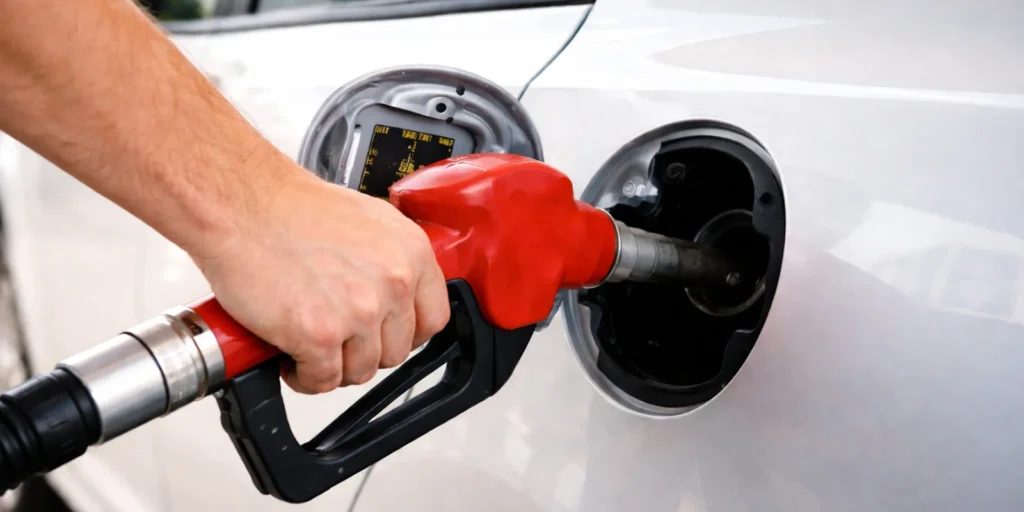
The recent disruption around the Strait of Hormuz is one such moment. A narrow passage that carries a significant share of the world’s oil has become a point of uncertainty. When supply routes tighten, the impact does not remain confined to global markets. It travels through pricing systems, supply chains and eventually reaches industries that depend on fuel every single day. Car rental companies sit right at the centre of this impact.
When Movement Becomes Uncertain
The car rental business is fundamentally based on transportation. Vehicles on the road, km driven, travels completed. Fuel makes this feasible and it has long been a manageable variable in the system.
That balance is currently shifting.
Fuel prices no longer follow a consistent, predictable pattern. They respond fast to world events, sometimes without warning. What was once a predictable cost has evolved into a variable that can fluctuate in a matter of days. This causes a small but significant alteration. The challenge has evolved beyond simply managing spending. It is about dealing with uncertainty.
The Pressure Beneath the Surface
Fuel volatility does not announce itself loudly, but its effects are felt across the business.
Margins tighten when costs rise faster than pricing adjustments. Planning becomes less reliable when projections lose stability. Customers, on the other hand, continue to expect consistency. This creates a tension. A business that depends on fuel must absorb its unpredictability while still offering a steady experience.
Over time, this raises a larger question. How do you build a system that is not constantly exposed to something you cannot control?
A Shift That Began Before the Crisis
Long before recent disruptions, the world had already started moving in a different direction.
Environmental concerns, rising pollution levels and policy changes were pushing industries to rethink mobility. India’s vision for increased electric vehicle adoption by 2030 reflects this broader shift.
At first, this transition felt gradual. Something to be explored alongside existing systems. Today, it feels far more immediate.
Rethinking the Role of Electric Vehicles
Electric vehicles are often positioned as an environmental choice. That framing, while valid, does not fully capture their role in this context.
For car rental companies, EVs offer something more practical. They reduce dependence on fluctuating fuel prices.
Electricity, while not immune to change, tends to be more stable than petrol or diesel. This brings a level of predictability back into operations. It allows businesses to plan better, price more confidently and reduce exposure to global supply disruptions.
In simple terms, EVs shift the conversation, “From reacting to fuel prices to reducing reliance on them.”
This is not just a technological transition. It is a structural one.
Navigating the Transition
The industry is currently at a phase in which both realities coexist. Fuel-powered vehicles continue to dominate, aided by existing infrastructure and consumer familiarity. At the same time, electric vehicles are gaining traction, aided by policy, innovation and shifting expectations.
Car rental firms must not make a decision between two options overnight. The goal is to create a model that can support both while steadily increasing stability.
This necessitates precise decision-making. Not every change needs to be immediate, but every direction must be deliberate.
Where We Stand at Autoriders
At Autoriders, we have always believed that change rarely arrives all at once. It builds quietly and those who pay attention can see where it is leading.
We cannot steer the mechanics of the world but we can anticipate the outcome of it and this is why we are different from our peers. We understood the importance of change and moving ahead.
Our shift towards electric vehicles began with this understanding. It was not driven by a single disruption, but by recognising a pattern that was becoming impossible to ignore.
Today, our growing EV fleet reflects that decision. It allows us to offer a more stable and reliable experience, even when external conditions remain uncertain.
For us, this is not about following a trend. It is about preparing for what comes next.
The Advantage of Moving Early
In any industry, timing shapes outcomes. Waiting for complete clarity often leads to reactive decisions. Acting early allows room to adapt, refine and scale with confidence. In the current landscape, this distinction matters.
Fuel volatility is unlikely to disappear entirely. Global dependencies will continue to influence local costs. Businesses that acknowledge this and act on it are better positioned to navigate what lies ahead. The goal is not to predict every disruption. It is to reduce vulnerability to them.
The Road Ahead
What happens in global energy corridors may seem distant, but the consequences are imminent. For Indian automobile rental companies, this is more than simply a hurdle; it is a revolution in how the industry must operate.
The future will be defined by adaptability rather than fleet size. As technology and infrastructure advance, a balanced mix of fuel-powered and electric vehicles will shape the shift, while customers continue to expect consistency and reliability.
The true shift is from managing expenses to managing exposure. Electric transportation is no longer a faraway ambition. It is a practical response to current reality.
Because, in the end, the companies that survive will be those who are prepared for change before it occurs, rather than those that react to it.