People in Vadodara prefer things to be straightforward. The city is not built around urgency, and most days do not demand it. Roads are familiar, neighbourhoods are well known, and travel is often planned from habit rather than uncertainty. Ask someone how long it takes to reach Alkapuri from Karelibaug and the answer usually comes without hesitation.
That familiarity creates confidence. Yet, everyday movement in Vadodara follows patterns that are easy to overlook until something disrupts them. School timings reshape traffic. Factory shifts define peak hours. Certain roads behave very differently depending on the time of day.
To understand how people really travel in Vadodara, it helps to look beyond convenience and examine how the city functions.
How Vadodara Is Structured and Why It Matters
Vadodara is a sprawling city rather than a congested one. Residential regions like Alkapuri, Karelibaug, Manjalpur and Gotri are apart from industrial zones, educational institutions and commercial hubs. Distances may not appear large on a map, but routes are rarely direct.
Major connectors, like R C Dutt Road, Old Padra Road and the ring road network, connect key areas. However, internal streets narrow quickly and traffic flow changes over time. The time of travel is determined by timing, familiarity and purpose rather than distance travelled. For daily commuters, this structure promotes flexible and frequently multi-stop transit rather than simple point-to-point transportation.
Public Transport: Useful but Structured Around Routine
The Vadodara Municipal Transport Service operates city buses that connect important routes while remaining inexpensive. They serve students, office workers and factory workers who have set schedules.
However, coverage is reduced once within residential pockets. Peak-hour crowding is typical and last-mile connectivity frequently necessitates an extra ride. Buses are ideal for fixed schedules. They provide less flexibility for irregular travel, formal meetings and time-sensitive journeys.
Rickshaws and Informal Mobility
Auto rickshaws fill a lot of the gaps left by public transportation. They are commonly utilised for short distances and run near markets, railway stations and industrial regions.
However, availability varies with time and location. Prices may vary, especially during peak demand. The level of comfort and reliability varies depending on the ride. They are useful for running ordinary errands. Predictability is especially crucial in organised programs with several stops or set timeframes.
Two Wheelers as the Default Choice
Motorcycles and scooters dominate Vadodara’s streets. They can manage intermediate distances and manoeuvre smaller roads with ease. Parking is straightforward and travel times are often regular.
However, two-wheelers are weather sensitive and therefore unsuitable for families, senior people or professional transport. As travel expectations change, this alternative may not always fit every need.
Cars and Changing Expectations
Car ownership in Vadodara has grown steadily. Many families own a vehicle but reserve it for longer journeys, airport transfers, railway station drops or formal commitments. Traffic congestion is manageable, though intersections near schools and commercial centres can slow movement.
Driving in Vadodara is not difficult, but it requires route awareness and time buffers. When punctuality matters, planning becomes essential. This is where structured mobility begins to play a larger role in the city’s travel landscape.
Intercity and Time-Sensitive Travel
Vadodara connects regularly with Ahmedabad, Surat, Anand and Bharuch. The railway station remains a major hub and the airport serves domestic routes. Early departures, luggage handling and late-night returns demand reliability.
Public transport rarely becomes the first choice for such journeys. When timing is critical, people prioritise certainty over convenience. Professional car rental in Vadodara addresses this need for dependable, pre-planned mobility.
When Dependability Becomes the Priority
Travel requirements in Vadodara vary greatly. A student going to college, a professional attending meetings, a family visiting relatives and a corporate executive travelling for work all want varying levels of comfort, privacy and punctuality. Routine commuting may depend on habit. Important journeys require certainty.
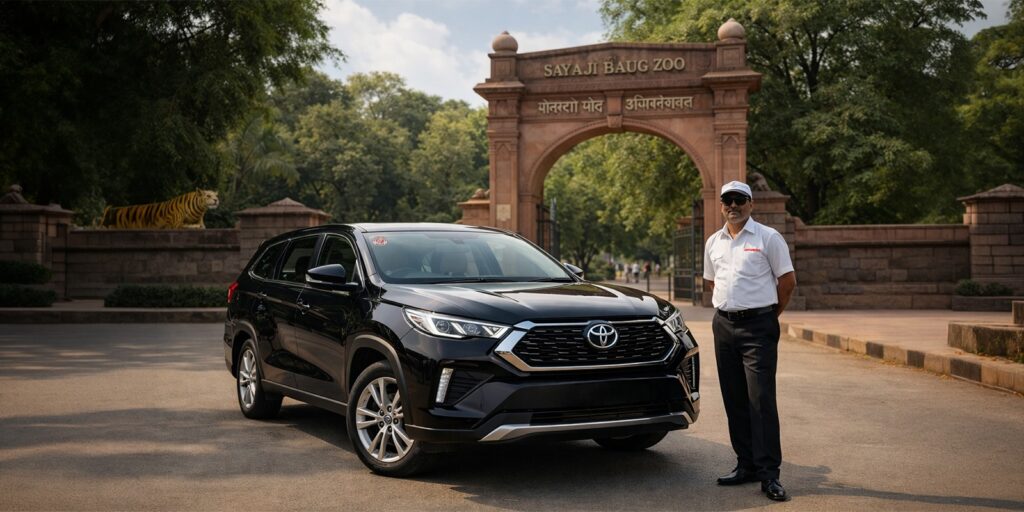
This is where Autoriders seamlessly integrates into the city’s growing transportation pattern.
Travel becomes predictable rather than uncertain with chauffeur drive services, airport transfers and self drive alternatives, structured booking systems and 24-hour customer assistance. Advance reservations, transparent pricing and pre-insured vehicles provide a level of confidence that other modes of transportation may lack.
The Gap Between Availability and Assurance
Vadodara provides a variety of transport options. However, availability alone does not guarantee dependability. A form of transportation that works today might not work tomorrow owing to demand, scheduling or other variables.
When travel is non-negotiable, whether for business meetings, family obligations or early departures, assurance takes precedence over convenience.
In a city that thrives on habit and familiarity, dependable car rental in Vadodara focuses on enhancing rather than replacing current alternatives. It gives structure when timing is critical and flexibility when plans change.
Everyday travel in Vadodara may seem uncomplicated. However, when assurance is necessary, organised mobility distinguishes between reaching and arriving with confidence.