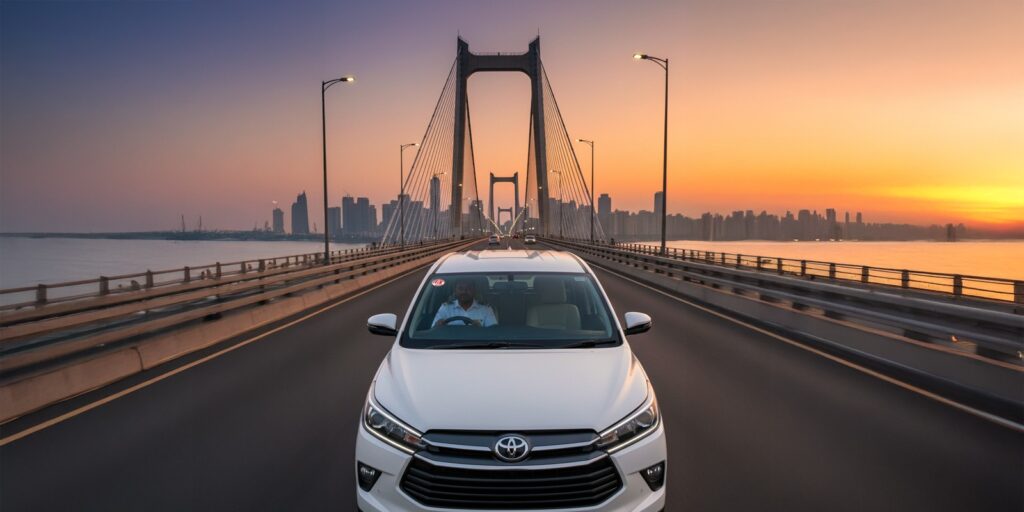
For a long time, owning a car meant success and self-reliance. It was proof that you had arrived. Yet across India’s growing cities, that belief is beginning to fade. The rise of car rentals is changing how people move, spend, and think about mobility. Freedom on the road is no longer tied to ownership but to access.
The demand for car rental in India has increased for simple, practical reasons. Urban life is fast, unpredictable, and expensive. People want convenience without long-term cost. Renting gives them exactly that.
1. Rethinking Mobility
Urban transport has never been more complex. Roads are crowded, parking is scarce, and car ownership has become costly. In places like Delhi, a single parking spot can cost nearly as much as a small flat’s rent. Maintenance, insurance, and fuel only add to the expense.
Car rentals simplify all this. You pay for the vehicle when you use it and walk away when you’re done. The model suits a generation that values time and flexibility over ownership.
Mobility today is about choice. You can rent a compact hatchback for daily errands or a sedan for a weekend trip. The idea that you must own a car to be independent is losing ground. Renting gives you the same freedom, minus the long-term commitment.
2. The Financial Reasoning
Buying a car in India can cost several lakhs before you even start driving it. Add yearly maintenance, fuel, and insurance, and the total grows quickly. Renting shifts that entire equation. You pay for what you use, and nothing sits idle in a parking space.
This approach suits professionals who work remotely or move often between cities. It also benefits small businesses that need flexible transport options. A delivery firm or event company can rent vehicles as needed instead of maintaining an entire fleet. That saves both money and management effort.
Economically, this is a smarter allocation of resources. It frees up capital that can go toward investments or growth rather than a depreciating asset.
3. Trust and Technology
The rise of dependable rental platforms has altered how people perceive the concept of borrowing a car. A decade ago, many would have been hesitant to rent. The risks seemed excessive, and the process was unclear.
Today, technology has solved the problem. Apps allow you to compare prices, read reviews, view available vehicles, and book instantly. Digital payments and GPS tracking add transparency and security to the process. What was once uncertain has become routine.
The entire rental cycle is documented, from booking to return, which fosters mutual trust. Companies maintain their vehicles in good condition, and customers treat them with care. This professional system has transformed car rentals from a rare option to a common one.
4. The Urban and Environmental Side
Car rentals also make cities work better. When fewer people buy cars, streets get less crowded and parking spaces are used more efficiently. Shared access means each vehicle serves more people in a shorter time.
Many rental companies are adding electric and hybrid cars to their fleets. That shift supports cleaner transport options without forcing individuals to buy expensive electric vehicles. It allows people to contribute to lower emissions simply by renting smartly.
In a dense city like Kolkata, where every square metre counts, fewer private cars mean more room for pedestrians, public spaces, and cycling lanes. Car rentals, in that sense, are part of a larger movement toward sustainable city living.
5. Looking Forward
Car rentals in India are no longer a novelty. They are gradually becoming a part of the everyday transportation mix, alongside metro systems, taxis, and two-wheelers. It caters to tourists, students, professionals and families.
There are still obstacles. Many people view car ownership as a sign of success. Public transport, while improving, remains unreliable in some areas. Road infrastructure requires investment. However, these challenges highlight the importance of adaptable solutions.
The road ahead for rentals appears to be steady. The market will expand as technology advances and attitudes shift. Policy support, such as tax breaks for electric rentals and improved parking regulations, can help to accelerate growth.
Car rentals have the potential to fundamentally alter how Indians perceive movement over time. Freedom will not imply owning a car but rather having access to one whenever needed.
Conclusion
The idea of mobility in India is being rewritten. Car rentals offer independence without the burden of ownership, flexibility without waste, and freedom without financial strain.
In cities shaped by rapid growth and constant change, this model fits the rhythm of modern life. Whether you are driving across Kolkata for a work meeting or taking a weekend trip to the coast, the option to rent gives you control over how and when you move.
Car rental in India is not about rejecting ownership. It is about embracing a simpler, more practical way to travel, one that values access, efficiency and a new kind of freedom on four wheels.