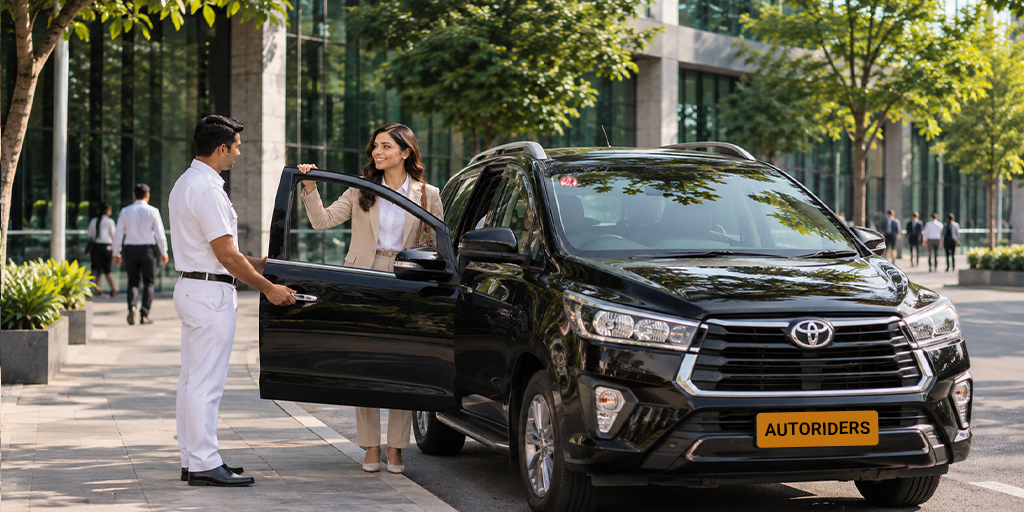
How much of an employee’s working day is spent simply getting to work? In India’s major business hubs, the answer can be surprising. Long commutes, traffic bottlenecks and limited transport connectivity have made daily travel a significant concern for working professionals. For businesses, this raises an important question: are their existing transportation arrangements keeping up with the needs of their workforce?
Employee commuting is often treated as an individual responsibility. However, when a large part of the workforce faces similar travel difficulties, it becomes an organisational concern.
Common Employee Commute Challenges in India’s Business Hubs
Cities such as Mumbai, Bengaluru, Delhi NCR, Pune and Hyderabad present different commuting challenges. However, a few issues are common across these business hubs.
- Traffic Congestion and Delays
Peak-hour traffic can turn short journeys into lengthy commutes. Employees often struggle with unpredictable travel times, making it difficult to reach the workplace punctually. For businesses, frequent delays can affect meetings, schedules and daily operations.
- Limited Last-Mile Connectivity
Living close to a metro or railway station does not always mean having convenient access to public transport. Employees may still need additional transport to reach their workplace, adding time and expense to their daily journey.
- Rising Transportation Costs
Fuel, parking, public transport fares and app-based cab bookings contribute to monthly commuting expenses. Employees travelling longer distances may face an even greater financial burden.
- Safety and Reliability Concerns
Employees working late shifts or travelling during early hours may struggle to find dependable transport. Unplanned bookings and inconsistent service availability can make these journeys particularly challenging.
- Employee Fatigue
Long and stressful commutes can leave employees feeling exhausted before the workday begins. Over time, this can affect concentration, productivity and overall workplace satisfaction.
What Can Companies Do to Improve Employee Transportation?
Companies can address these challenges by taking a more organised approach to corporate transportation. A few practical changes can make daily travel easier to manage.
- Understand Employee Travel Patterns
Start by identifying where employees live, how they commute and which routes cause frequent delays. Employee surveys can help HR and administration teams understand travel distances, shift timings and connectivity gaps.
These insights provide a useful starting point for planning better transportation arrangements.
- Introduce Organised Transportation
Businesses with employees travelling from multiple locations can consider scheduled pickups and planned routes. Organised employee transportation reduces the need for individuals to arrange every journey independently and helps companies coordinate daily travel more efficiently.
- Consider Long-Term Car Rentals
For businesses with recurring transportation needs, long-term car rentals can be a practical option. Companies can arrange vehicles for regular executive travel, client visits and other business requirements instead of managing individual bookings each time.
Chauffeur-driven car rentals also provide a convenient option for visiting executives and employees who travel frequently.
- Use Technology for Better Coordination
GPS-enabled vehicles and route monitoring can help companies track journeys and identify recurring delays. Route planning and travel reports also give administration teams better visibility into transportation operations.
These tools make it easier to review routes, improve vehicle utilisation and coordinate bookings.
- Plan for Employees Working Late Shifts
Transportation arrangements should account for employees working beyond regular office hours. Scheduled pickups, verified chauffeurs and dependable vehicles can make late-night and early-morning journeys more convenient.
Companies should also review these arrangements periodically as workforce requirements change.
How Professional Car Rental Services Support Corporate Mobility
Managing business transportation internally can become challenging when employees, clients and executives travel regularly. Professional car rental services offer a way to organise these requirements through flexible vehicle bookings and chauffeur-driven travel.
Businesses can use these services for:
- Executive travel: Comfortable transportation for senior management and visiting business representatives.
- Airport transfers: Pre-arranged pickups and drops for employees and clients.
- Long-term rentals: Vehicles for recurring business transportation requirements.
- Business travel: Reliable transportation for meetings, office visits and other professional commitments.
With experience dating back to 1994, Autoriders provides chauffeur-driven car rental services across 100+ cities in India. Our offerings include airport transfers and long-term rentals, supported by professional chauffeurs, GPS-enabled vehicles and 24/7 customer assistance.
Advance bookings of up to 60 days and a minimum reservation period of four hours give businesses flexibility when planning their transportation requirements.
Building a Better Employee Commute
Employee transportation deserves greater attention as businesses expand and workforce requirements evolve. Long commutes, rising travel costs and inconsistent connectivity can affect both employees and daily operations.
Companies that understand these challenges and invest in suitable transportation arrangements can create a more dependable commuting experience. A well-planned journey gives employees a better start to their day and helps businesses manage travel requirements more effectively.
FAQ
1. How can companies reduce employee commuting time?
Companies can reduce commuting time by studying employee travel patterns, planning efficient routes and arranging scheduled transportation. They can also consider office cab services and long-term car rentals for employees and executives who travel regularly.
2. Why is employee transportation important for workplace productivity?
A long or stressful commute can leave employees feeling tired before the workday begins. Reliable transportation helps reduce travel-related stress, improve punctuality and give employees a more comfortable start to their day.
3. What are the best transportation solutions for employees in major cities?
The right solution depends on employee locations, working hours and travel requirements. Companies can consider public transport support, organised employee cabs, scheduled pickups and corporate car rental services to make daily commuting more manageable.
4. How can companies ensure safe transportation for employees working night shifts?
Companies should prioritise verified chauffeurs, GPS-enabled vehicles, planned pickup and drop schedules and access to round-the-clock support. Regularly reviewing transportation arrangements also helps address safety concerns and maintain service reliability.