You can tell a great deal about a journey in India by a single detail. Who is driving. That choice quietly shapes everything that follows. The pace, the comfort, even the mood of the day.
When people think about car rental in India, they often picture a simple transaction. Book a vehicle, get from one place to another. In reality, it is a series of small decisions that determine whether the experience feels smooth or unnecessarily complicated. This guide is built to help you make those decisions with clarity.
The Three Ways to Rent a Car
Every rental falls into one of three formats. Each serves a different kind of traveller.
Chauffeur Driven Car: When the Journey Needs Structure
A chauffeur driven car offers a certain quiet efficiency. You are not watching the road. You are preparing for a meeting, taking a call, or simply observing the city without distraction.
In large cities, this is less about indulgence and more about practicality. Traffic patterns shift without warning. Routes that look simple on a map can stretch unpredictably. A professional driver absorbs that uncertainty.
This option works best for business travel, formal occasions, or any situation where timing and composure matter. It is also the most consistent way to move through an unfamiliar city without friction.
Self Drive Cars: When Control Matters More Than Convenience
There is a different rhythm to self drive cars. You choose the route, the stops, the pace. It offers privacy and flexibility that a chauffeur cannot.
At the same time, it demands attention. Driving in India involves constant adjustment. Roads change character quickly and navigation often requires quick decisions rather than strict reliance on maps.
For leisure travel, especially road trips or family outings, this option makes sense. It gives you ownership of the journey. The trade-off is responsibility.
Airport Transfer: When Nothing Can Go Wrong
An airport transfer sits in a category of its own. This is not the moment for experimentation. Flights do not wait and late-night arrivals leave little room for uncertainty.
Here, reliability outweighs everything else. A car that arrives on time, a driver who knows the route and a process that requires no last-minute coordination. When it works well, it feels almost invisible.
Choosing the Right Car for the Occasion
The vehicle you choose is determined by more than just your budget and availability. It reflects the purpose of the journey.
For occasions requiring presence and polish, vehicles such as the BMW 5 Series or Mercedes-Benz E-Class provide a refined experience. They are frequently chosen for client meetings, executive travel and formal events where first impressions count.
For city movement, the Maruti Suzuki Dzire remains a practical option. It is familiar, efficient and well-suited to urban environments where ease of navigation is more important than luxury.
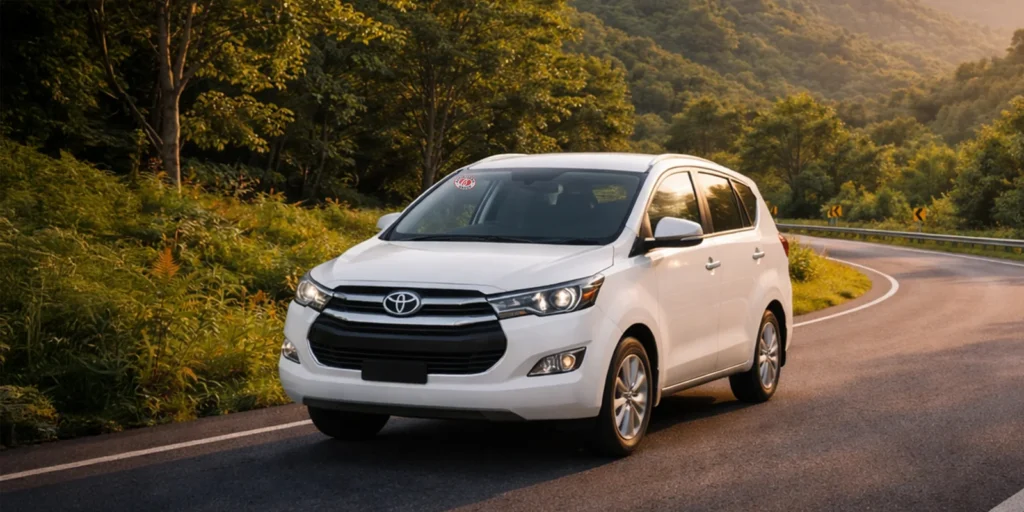
The Innova is particularly suitable for group travel or longer journeys. It provides space, comfort and a sense of stability that proves useful over long distances. Families and small groups frequently find it the most convenient option. The key is to match the car to the situation, rather than choosing solely based on appearance.
Understanding Pricing Without Surprises
One of the more misunderstood aspects of rent a car services in India is pricing. The number you see at the beginning is not always the final figure.
Rental costs may include base charges, fuel policies, driver allowances in the case of a chauffeur driven car, tolls and parking fees. These elements can shift the total significantly if not clearly understood in advance.
Transparent pricing models are therefore important. When the structure is clear, the experience feels controlled. When it is not, even a well-planned journey can become frustrating.
It is worth taking a moment to read the details before confirming a booking. That small step often prevents larger inconveniences later.
What to Check Before You Book
A good rental experience is built on a few simple checks. The condition of the vehicle should meet basic expectations of cleanliness and maintenance. The professionalism of the driver, where applicable, influences both safety and comfort. Punctuality is essential, particularly for airport transfers and time-sensitive travel.
Customer support also plays a quiet but important role. Plans change. Delays happen. Access to assistance at any hour can make a noticeable difference. These are not luxury features. They are the foundations of a dependable service.
The Realities of Driving in India
Car rental in India comes with its own set of variables. Traffic density varies from one city to another. Road conditions can shift within short distances. Local driving patterns may differ from what many travellers are used to.
Language can also influence comfort levels, especially when interacting with drivers or navigating unfamiliar areas. These factors do not make travel difficult, but they do require awareness.
Understanding these conditions helps you choose between a chauffeur driven car and self drive cars with greater confidence.
Where Experience Begins to Matter
Not all car rental services are built in the same way. Some focus on scale, others on pricing and a few on consistency.
A well-structured provider like Autoriders tends to prioritise clear communication, professional drivers, insured vehicles and availability across multiple cities. These elements may not always be visible at the time of booking, but they shape the experience from start to finish.
Established operators have refined these systems over time, aligning their services with the realities of Indian travel. The result is a process that feels reliable rather than improvised.
Making the Right Choice
In the end, choosing a car rental in India is less about the vehicle itself and more about how you want the journey to unfold.
You may prefer the independence of self drive cars, where every turn is your decision. You may value the ease of a chauffeur driven car, where the details are handled for you. Or you may simply need an airport transfer that works without question.
Each choice is valid. The difference lies in how well it aligns with your purpose. When the decision is made thoughtfully, the journey tends to follow suit.